


Travel FAQ
Tibet Guide Book
Overview
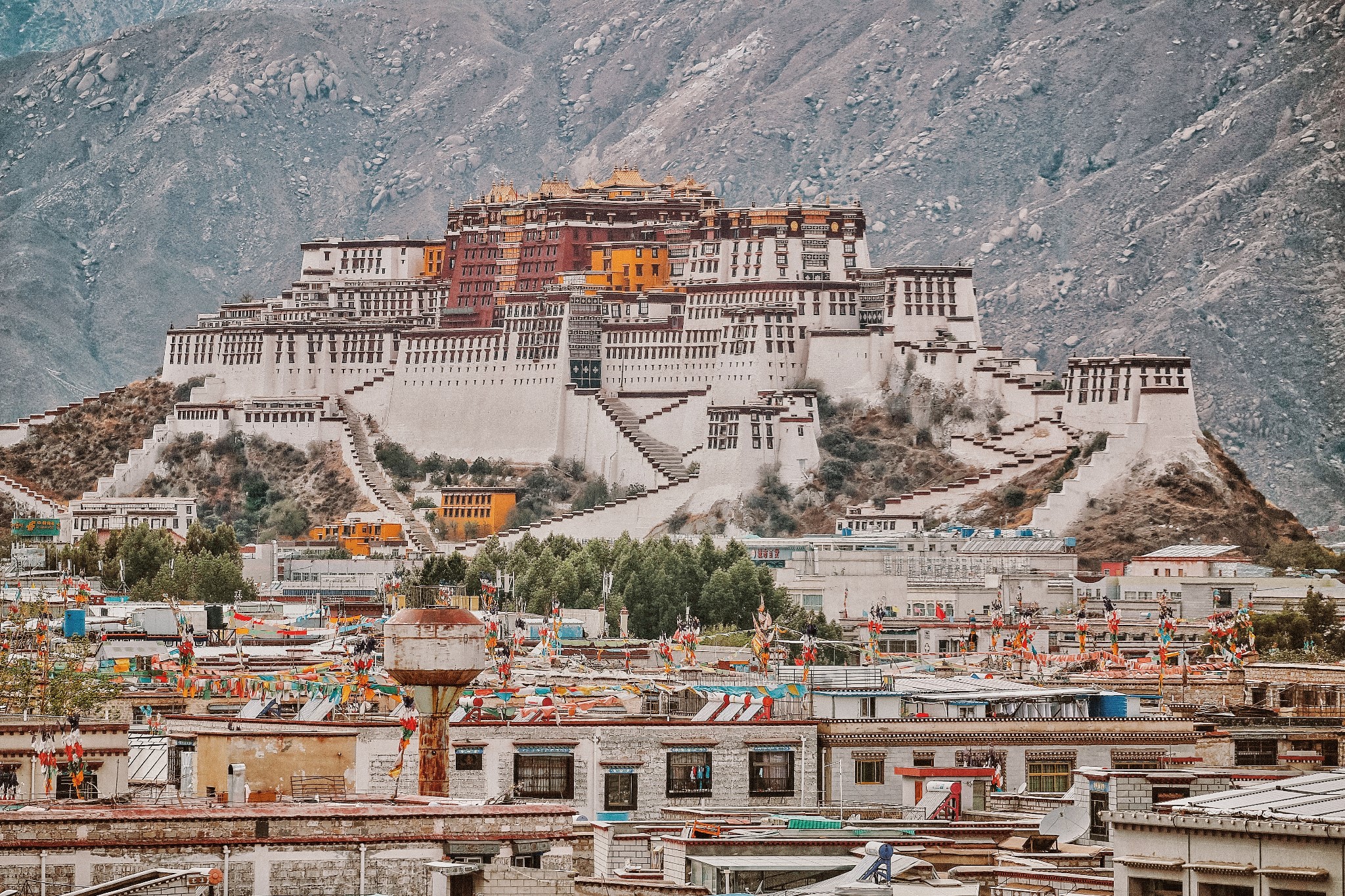
There is a plateau in the southwestern of China where has snow bergs and beautiful views, its named Tibet. Tibet has an average elevation of 4000 meters above sea level and as known as the “roof of the world”. The Tibet is in the southwestern of the Qinghai-Tibet Plateau. And the Qinghai-Tibet Plateau is the oldest, largest and highest altitude plateau on Earth. Therefore, this plateau is considered as “the third pole of the Earth” except for the North and South Pole. Tibet has a vast territory, spectacular landscapes and abundant resources. The residents living here have created rich and splendid national culture. The most famous Tibetan national culture is religious culture. In addition, Tibet is also a wildlife kingdom. There are 799species of vertebrates and 2307 species of invertebrates has found in the wild of Tibet. Among them, 45 species of wild animals such as Black Snub-nosed monkey, the Bengal Tiger, Snow leopard, Kiang and Takin have become endangered or endemic rare protected animals in Tibet. Among them, the number of Tibetan antelope accounts for more than 80% of the global population. Tibet has its own unique food structure and food culture. The most famous local foods and drinks are Tibetan butter, Tea-leaves, Zanba (Roasted barley flour), qingke beer and various dairy products.
Nowadays, the traffic conditions in Tibet are relatively advanced. Until the end of 2015, the mileage of highways in the Tibet Autonomous Region of China has reached 78,000 kilometers. In addition, traffic conditions such as railways and aviation are also very convenient. The Qinghai-Xizang Railway, known as Tianlu, is the highest altitude railway in the world and the longest plateau railway in the frozen soil. It was selected as the Golden Global 100-year Project. Tibet has become a tourist destination for most people. Riding and hiking on this hypoxia plateau has also become a way for some travelers to challenge themselves. Until now, Tibet still has a lot of undeveloped land, its very suitable for hiking enthusiasts who want to explore nature.
Climate and Temperature
Due to the influence of topography, landforms and atmospheric circulation, the climate in Tibet is very unique and complex. Generally, the climate in northwest Tibet is cold and dry; the climate in southeast Tibet is warm and humid. The climate types ranging from southeast to northwest are tropical, subtropical, plateau temperate, plateau sub-frigid, and plateau frigid. As the altitude increases, the air pressure decreases, the air density decreases, the oxygen content in the air gradually decreases, and the temperature gradually decreases. Therefore, some tourists who visit Tibet would have different degrees of symptoms of altitude sickness.
The dry season and rainy season in Tibet are very obvious. Normally, the rainy season is from May to September every year, and the dry season is in the rest of months. Precipitation in the rainy season accounts for about 90% of the total annual precipitation. In addition, the total amount of annual precipitation across Tibet is extremely uneven, gradually decreasing from 5000 mm in the southeast to 50 mm in the northwest.
Tibet is the place where China has the most solar radiation and longest sunshine. Compared with other provinces in China, the average temperature of Tibet is relatively low. There are significant difference of climate types between southern and northern Tibet. The valley in southern Tibet is affected by the Indian Ocean's warming currents. It is warmer than the north, with an average annual temperature of 8℃, a minimum monthly average temperature of -16℃, and a maximum monthly average temperature of more than 16℃. The northern Tibet is a typical continental climate with an average annual temperature of less than 0℃ and a freezing period of up to 6 months. The warmest summer temperatures do not exceed 10℃. Therefore, in terms of temperature and climatic conditions, the season suitable for traveling to Tibet is from March to October. Especially, the best season are on June to September.

Geographical Environment
Tibet is located in the southwestern part of the People's Republic of China and has a vast area of 1.22 million square kilometers. Tibet is the second largest land area in China. Tibet is adjacent to Xinjiang Uygur Autonomous Region, Qinghai Province, Yunnan Province and Sichuan Province within China. In addition, the southern part of Tibet borders with Myanmar, India, Bhutan, and Nepal etc.
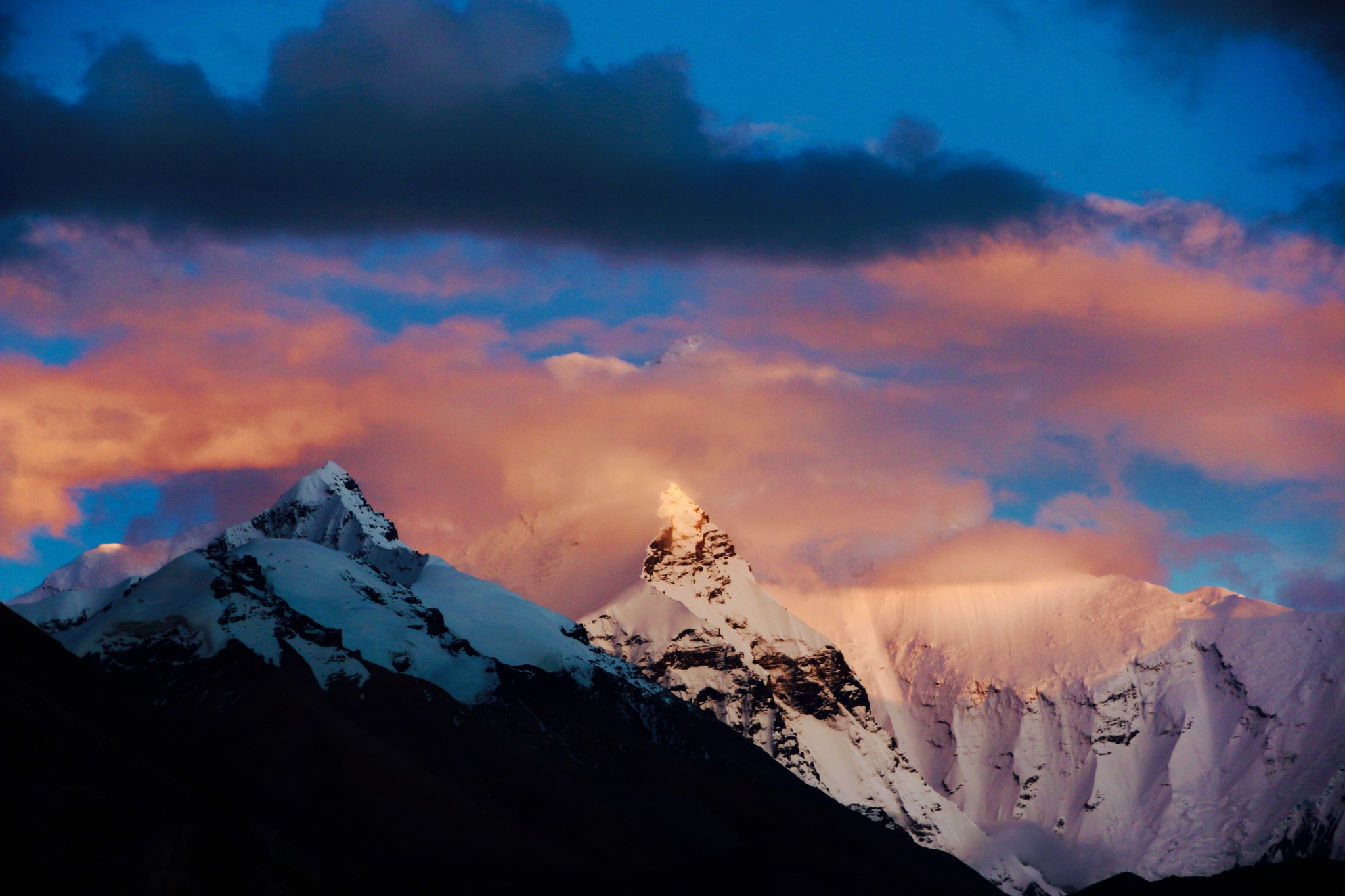
Tibet is located in the southwestern part of the Qinghai-Tibet Plateau. Tibet has an average elevation of 4,000 meters above sea level and its known as the "roof of the world”. The Qinghai-Tibet Plateau is the oldest, largest and highest altitude plateau on Earth. Therefore, this plateau is considered as “the third pole of the Earth” except for the North and South Pole. The overall topography of the Qinghai-Tibet Plateau is tilts from northwest to southeast, and the terrain is diverse. There are various types of landforms such as mountains, ditch gorges, glaciers, bare stones, and Gobi. Because of the high altitude difference, we can see the natural scene of “four seasons in one mountain” in Tibet. The landforms of Tibet can be roughly divided into four parts:
1. The Himalayan high mountain area is composed of several mountains, with an average elevation of 6,000 meters. Because of the high altitude, it is covered by snow and ice all year round.
2. The South-Tibet river basin is located on the Yarlung Zangbo River and its tributary basin. There are many river valley flats and lake bottoms in this area, which are flat and fertile. Therefore, the South-Tibet river basin is the main agricultural area in Tibet.
3. The northern Tibet Plateau is located between Kunlun Mountains, Tanggula Mountains, Kailas Range and Nyenchenthanglha. This area is composed of a series of gentle hills and basins and is the main animal husbandry area in Tibet.
4. The Hengduan Mountains is located in the Three Parallel Rivers Area in eastern of Tibet. The snow on the top of the mountain here does not change all year round. The forest on the mountainside is evergreen and the scenery is magnificent.
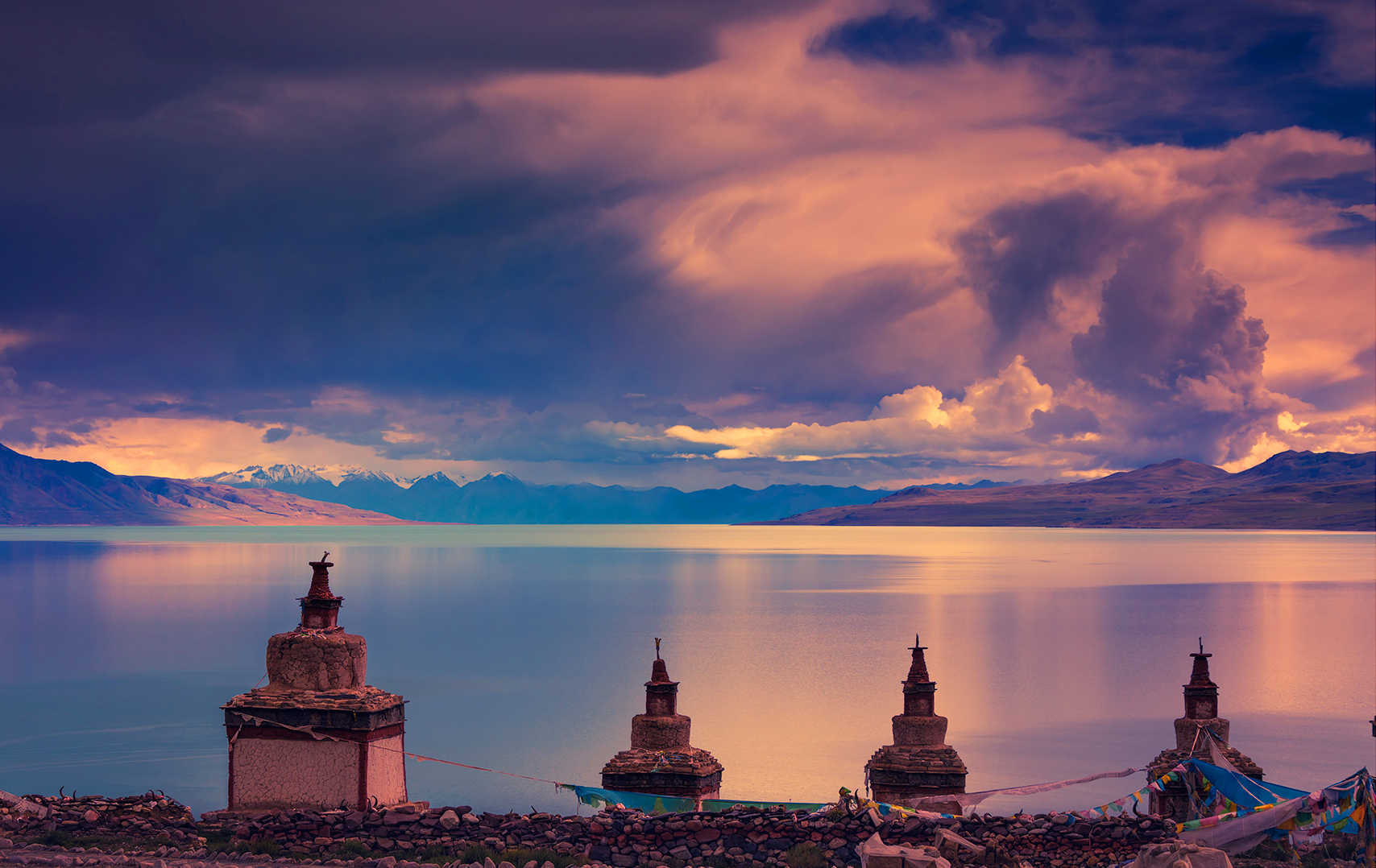
Tibet is the region with the largest number of lakes in China. The total lake area is 20.38 million square kilometers. Tibet has more than 1,500 lakes of various sizes and scenery. Among them, Namtso, Selintso and Zhari Namco have more than 1,000 square kilometers area. The types of lakes in Tibet are diverse and contain almost all the characteristics of Chinese lakes.
In Tibet, many lakes have been given religious significance. Namtso, Lake Manasarovar and YamdrokTsoare known as the three holy lakes in Tibet. The most famous lakes in Tibet are Namtso, YamdrokTso, Lake Manasarovar, Bangong Tso, and Ram-La Tso.
Food and Beverage Culture
Residents of Tibet have their own unique food culture and dietary habits. For example, Tibetan butter, tea, Zanba (roasted barley flour) and meat (beef and lamb) are known as the “four treasures” in Tibetan’s food culture. In addition, highland barley wine and various dairy products are also very famous.
· Tibetan cuisine
Tibetan food cuisine is one of the Chinese food cultures. It has a long history and is well received by tourists from all over the world. Tibetan food cuisine is mainly divided into three parts: main food, dishes and soup. The taste of Tibetan cuisine is delicate, light, and a lot of vegetables. Tibetans have many taboos on meat. Tibetans usually only eat beef and lamb, not eat horses, quail, donkeys and dogs. With the exception of urban residents, most Tibetans are not used to eating aquatic products such as fish and shrimp.
Zanba is a kind of Tibetan food and its production method is very simple. Zanba is a flour made by grinding green barley after frying it. In the daily life of Tibetans, the ways of eating Zanba are very diverse. The most common method of eating Zanba is to mix it with tea and Tibetan butter and knead it into small groups.
Another characteristic food in Tibet is dried meat. At the beginning of winter, people cut the beef and lamb into small strips and hang them in a cool and Ventilated place. In cold winter conditions, the frozen meat will gradually dry naturally and it will not be eaten until February of the following year. The dried meat processed in this way has a very unique taste and a crispy flesh.
Nowadays, with the improvement of economic and cultural life, Tibetan cuisine is constantly improving in cooking techniques.
· Wine Culture
The Qingke beer is a unique wine culture in Tibet. It is directly brewed from green barley and has a low alcohol concentration. The Qing ke beer is loved by people in Tibet and it is also an essential drink for festival celebrations.
The drinking etiquette of Tibetans is also related to beliefs, especially when toasting.At the banquet, people will first toast to the elders and then drink alcohol in the order from old to young. Toasters should use their hands to lift the glass over their heads, especially when toasting their elders. However, the toasted person usually picks up the wine and then use the ring finger of right-hand touch the wine and scatters it into the air. And the wine can be drunk after repeating this action three times. The locals believe that the way drinking like this is a sign of respect for sky, land and God.
In the wine culture of Tibet, drinking and singing are two things that inextricably linked. Tibetan toasting songs are melodious, beautiful, and the content is mostly based on blessings and praises. Generally on the feast, the host will sing this song to toast. At a grand banquet, there will be toasting girls sing and toast for the guests. They wear gorgeous costumes, sing beautiful songs, and toast to the guests in turn until the guests get drunk.
· Tea culture
Buttered tea and sweet tea are indispensable beverages for the Tibet people. Sweet tea is usually made by tea, milk and sugar, and its taste is similar to milk tea. But buttered tea is a special drink. Tibetan butter is cream extracted from goat's milk or milk. Butter tea is made by this kind of butter with tea and salt. In Tibet the etiquette of drinking tea is same as drinking wine.

Accommodation
At present, with the further development of tourist resources and the increase of tourists, the accommodation conditions in Tibet have been greatly improved. From big cities to all districts, there are all having various type of rooms which offer different options for customers. However, in the most of remote areas, the type of accommodation mainly focuses on the hostel. If you travel to Tibet, how can you know whether you need to bring tents and sleeping bags? I In fact, it depends on whether you want to go to the remoter area. For accommodation in remoter districts or villages, you may choose to stay in a hostel. However, we suggest you to bring a sleeping bag, mainly for hygiene and cold protection. The route for trekking, cycling, and adventure travel usually have no accommodation. Basically it requires camping. Therefore, the tent and the sleeping bag are necessary for hiking, but considering the physical condition of each person, it is recommended that you take advantage of your strength. It is hard to set up tents and field cooking in high-altitude areas such as Tibet. In order to avoid altitude sickness, do not exercise or work excessively.
Tibetan Culture
· Ethnic Clothing
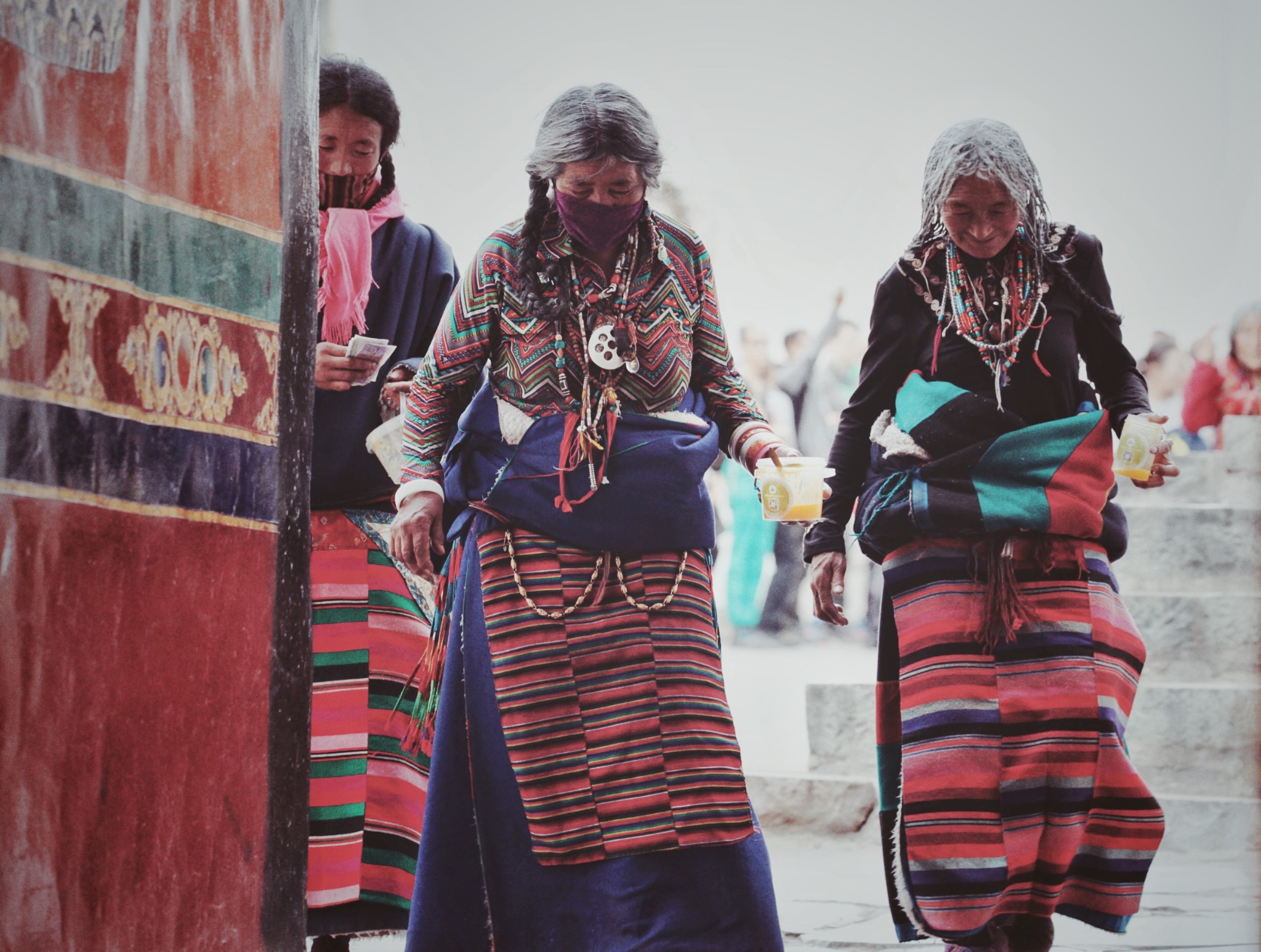
Tibetans are still accustomed to wearing their special costumes. In Tibet, there are different styles of cloth between different regions. On the whole, the general style of Tibetan costumes is the unrestrained style of man's wear and elegant of woman's wear. In addition, woman's cloth will be decorated with gold and silver jewelry.
The basic characteristics of Tibetan costumes are long sleeves, wide waists, long skirts and boots. This depends to a large extent on the ecological environment and lifestyle of the Tibetan people. This kind of structured, oversized clothing can defense wind and cold at night. As the temperature rises during the day, men can reveal an arm to facilitate cooling and regulate body temperature.
· Tibetan Calendar
The Tibetan calendar was created by the ancestors of the Tibetan people. It has been more than 1,000 years old. According to historical materialists, the Tibetan calendar appeared in the 13th century and perfected in the 19th century. The Tibetan calendar has 354 days in one year and is divided into four seasons: winter, spring, summer and autumn. In addition, there are 24 solar terms in the Tibetan calendar, which can forecast weather conditions in Tibet, even planetary movements and solar eclipses.
· Tibetan Drama
The Tibetan drama includes four plays of Aguiram, Nanmute, Dege, and Qamdo. The arias, music, performances and costumes of these four drama have different characteristics. Among them, Aguiram has spread widely, and it has a greater impact on the people in Tibet. Tibetan drama has a long history, and its origin can be traced back to the 8th century. In the beginning, Tibetan drama was performed in the square, and the accompanying instruments were only drums and cymbals. After the founding of the People's Republic of China, Tibetan drama was finally put on the stage and reforms were made in terms of arias and bands, which enriched the musical expression of Tibetan drama.
· Building
Tibetan Buddhist monasteries are the most distinctive ancient buildings in Tibet. Its characteristics are built on the mountains, large-scale, exquisite craftsmanship and magnificent. From the beginning to the present, it has undergone three stages in the integration of temples, monasteries, palaces and monasteries. The result is a magnificent Tibetan Buddhism temple style.
The most representative dwellings in Tibetan are the blockhouse. It is usually constructed of stone and wood and the walls are very thick. This type of building is usually divided into two floors. The ground floor is a farm and storage room and the room height is very limited. The second floor is a living area such as a living room, bedroom, and kitchen. A few of these houses will also use the third floor or roof as a terrace. The appearance of this building resembles a bunker, so it is called as bunker house.
· Festival
There are many festivals in Tibet. There are festivals every month, and some of it are even celebrated throughout the month. Therefore, special festivals are one of the characteristics of Tibetan culture. In addition, Tibetan festivals are generally rich in religion. This is mainly because the history of Tibetan Buddhism in Tibet has reached 1300 years. It has become part of Tibetan people's life. Some Tibetan festivals have even evolved into pure religious holidays.
Shoton Festival
Together with the Tibet New Year, Shoton Festival is one of the most significant festivals in the Tibetan calendar. As an important part of Tibetan festivals, the Lhasa Snowton Festival is one of the most grand, largest and most informative festivals in all festivals in Tibet. In Tibetan, "snow" means yogurt, "ton" means "banquet", so the Snowton meaning yogurt banquet. The Snowdon Festival is also called "Tibetan Festival" and "Showing Buddha Festival".
At that time, residents in the vicinity of Lhasa City dressed in bright festive costumes, they put on the butter barrel. They will bring butter tea and come to Norbulingka in the lush shade of the trees to set up a colorful curtain. On the green of the flower and vanilla, put on a new card mat, carpet, fruit and food, sit on the groundIn the afternoon, each family began to sing a curtain, and the host greeted the guests with a cup of "Song Jun Nie" (wine ceremony) and sang a variety of different tunes. If you want to stop, the guests will drink three drinks with toasts, blessings, and laughter.When the evening glows red, the people are leaving the party in the twilight. People drink and talk, play songs and dances, watch Tibetan operas, and enjoy the joy of the festival.
If you are lucky enough to catch the Tibetan Snow Festival, it is a special and interesting experience for you. Experience the enthusiasm of the locals and feel the hospitality of the Tibetan people.
Hada
Dedicated to Hada is also a common etiquette for the daily exchanges of the Tibetan people. (Farewell friends and relatives, gifts to relatives and friends) which is used to show respect, congratulation, purity, sincerity. Hada has five colors of blue, white, yellow, green and red, and it is made of silk.. The most common colour is the white Hada, which symbolizes purity and auspiciousness. Multicolored Hada is the most grand gift, which is a special gift for the Bodhisattva and the wedding ceremony.
If you have the opportunity to stay for a night in the house of the Tibetans or visit the homes of the local people to drink with them, when you leave, it is possible to receive the Hadad of the Tibetan people to express their message of farewell to you.

Hiking Routes
· Ngari
Ngari is a area which located in the northwestern of Tibet. There is the least densely populated area in the world. Ngari has a unique natural scenery of the plateau. In the heart of the local people, the Lake Manasarovar is the “holy lake” and the Kang Rinpoche is the “holy mountain”. The movie "Kang Rinpoche" tells the story here. The highlights of the Ngari area are: Kang Rinpoche, Lake Manasarovar, the ruins of the Guge Kingdom and Pangong Tso.
· Nagqu
Nagqu is a area which located in the northern of Tibet, between the Tanggula Mountains and the Nyenchenthanglha. This area is cold and oxygen-deficient and has a dry climate. There are white clouds, ripples of water, rolling hills, and endless grasslands. The relative warmth from May to September every year is the golden season of the grassland. During this period, the weather is mild, the weather is calm and the grassland is green. This place are famous for Namtso, the site Zhang Zhung and Meadow steppe.
· Shigatse
Shigatse region is located in the southern of Tibet. And it has many unique features. From Lhasa to the west along the Yarlung Zangbu River, you can enter the Shigatse area. "Mount of the World"-- Mount Everest is located here. Shigatse is one of the most attractive tourist destinations in Tibet with its ancient culture, majestic temple architecture, magnificent natural landscape and excellent geographical location. Shigatse area is famous for Tashilhunpo Monastery, Sakya Monastery, the source of Yarlung Zangbu River and Everest Base Camp.
· Lhasa
Lhasa, the capital of Tibet, is located in the center of all regions. Lhasa is the place with the most favorable living conditions. It is also the economic center and cultural center. Lhasa is famous for Potala Palace, abundant sunshine, religious culture and local food culture.
· Changdu
Changdu area is located on the eastern side of northern Tibet and is located in the Hengduan Mountains and the Three Parallel Rivers. Owing to the oxidation of iron, The beautiful views of Danxia landform appeared here. The highlight of Changdu area are: Strong Bahrain Temple, Ranwu Lake, Kano site and so on.
· Nyingchi
Nyingchi is located in the eastern part of Tibet. Compared with other regions, Nyingchi, with an average altitude of 3,000 meters, can be considered as the lowest elevation. Nyingchi has a humid climate and beautiful scenery so it is called the "Water town of Tibet." For travelers who have just arrived in Tibet and have altitude sickness, going to Linzhi is helpful for alleviating altitude sickness. Nyingchi area is famous for Namjagbrawa, Yarlung Zangbo Grand Canyon, Motuo County, Basomtso lake, Nyang River, Nanyi Valley and so on.
· Shannan
Shannan is located in the north of the Himalayas and it is also in the wide valley of the Yarlung Zangbo River. The Shannan area is the birthplace of Tibetan culture. For example, the first king, the first palace, the first temple and the first monastery originated on Shannan area. When you come here, you will experience the completed Tibetan culture. Shannan area is famous for Yamdrok Yum Tso, Ram La Tso, Yongbulakang, Samye Monastery and the Tomb of the Tibetan King.
Recommended Routes


