Travel FAQ
Sichuan Guide Book
Overview
Sichuan as known as “Shu” or “Ba Shu”, Located in the upper reaches of the Yangtze River, the capital city of Sichuan province is Chengdu. Sichuan is in southwestern of China, adjacent to Shaanxi, Gansu, Qinghai, Yunnan, Guizhou, Chongqing and Tibet. The Landform of Sichuan is composed of plateaus and basins. Mountain and plateaus account for 78% of the total area of Sichuan. Therefore, the land in Sichuan is fertile and the property is rich. Sichuan is known as "the province of thousands of rivers", and it is also the largest production base of Chinese medicinal materials.
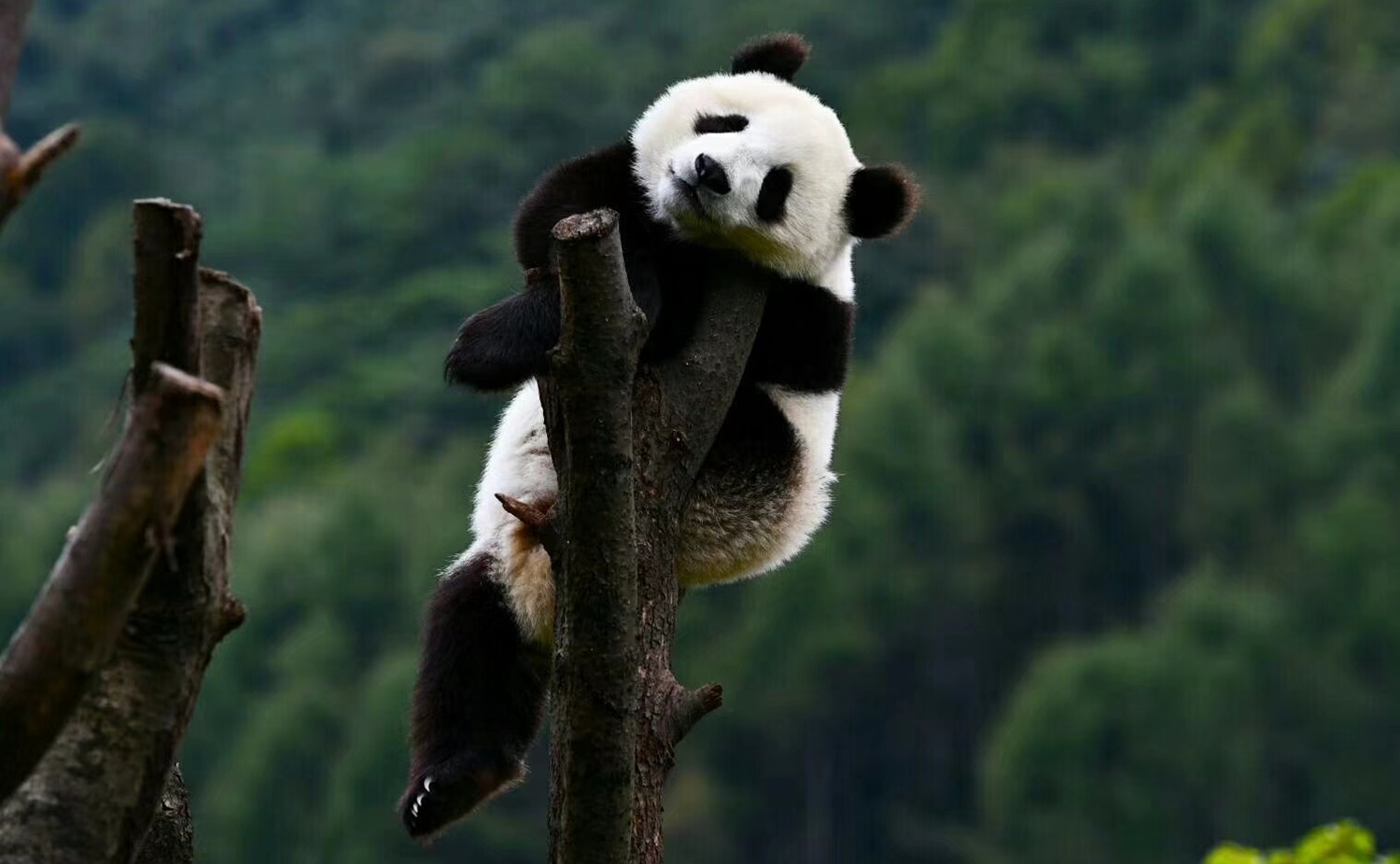
Sichuan is the homeland of the national mascot of China—Panda. Sichuan is the provenance of many Chinese famous liquor, such as “Wuliangye” and “JianNanchun”. There are many ethnic cultures in Sichuan. According to a survey, there are 14 ethnic groups at least generations live in Sichuan. There are many beautiful views and ethnic culture in Sichuan, its very suitable to have a hiking trip.
Go to the Daocheng Yading, admire the last pure land. In the mysterious Danba Zangzhai and see the unique and peculiar style building. Come to the National Scenic Area of Four Girls Mountain, enjoy the magical landscape of nature. Walk into the famous Jiuzhaigou and the beautiful fairy world. Climb the Kongka mountain and watch the view, this is the place you can purify the soul. This is Sichuan, a special, ancient and beautiful land.
Climate and Temperature
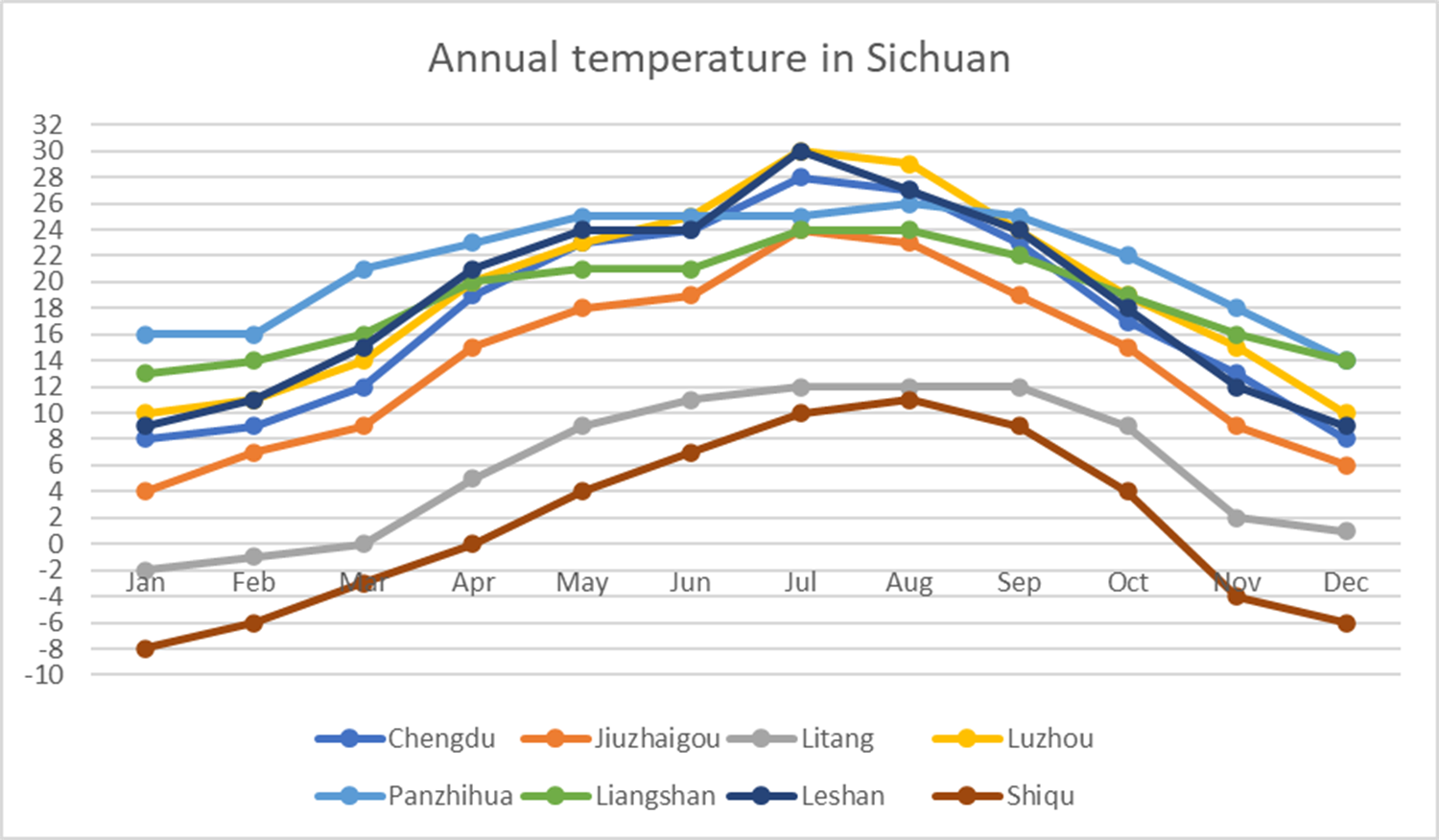
The overall topography of the Sichuan Basin is western area higher than the eastern area, so the overall climate changes greatly. The difference in climate between the east and the west is a major feature of Sichuan. The eastern part of Sichuan is warm in winter, hot in summer, and has more clouds, less sunshine and large annual rainfall. The western part of Sichuan is relatively cold and has a long winter time. There is almost no summer, and the amount of sunshine is sufficient. Precipitation is mainly concentrated in the short summer. The climate around Sichuan is complex, and nature disasters are frequent and numerous. There are four main types of climate in Sichuan, subtropical: There is almost no winter and high average annual temperature; permafrost: perennial covered by snow; extremely dry and extremely moist. It is precisely because its diverse climate types that Sichuan has spawned every kind of species.
Food and Beverage Culture
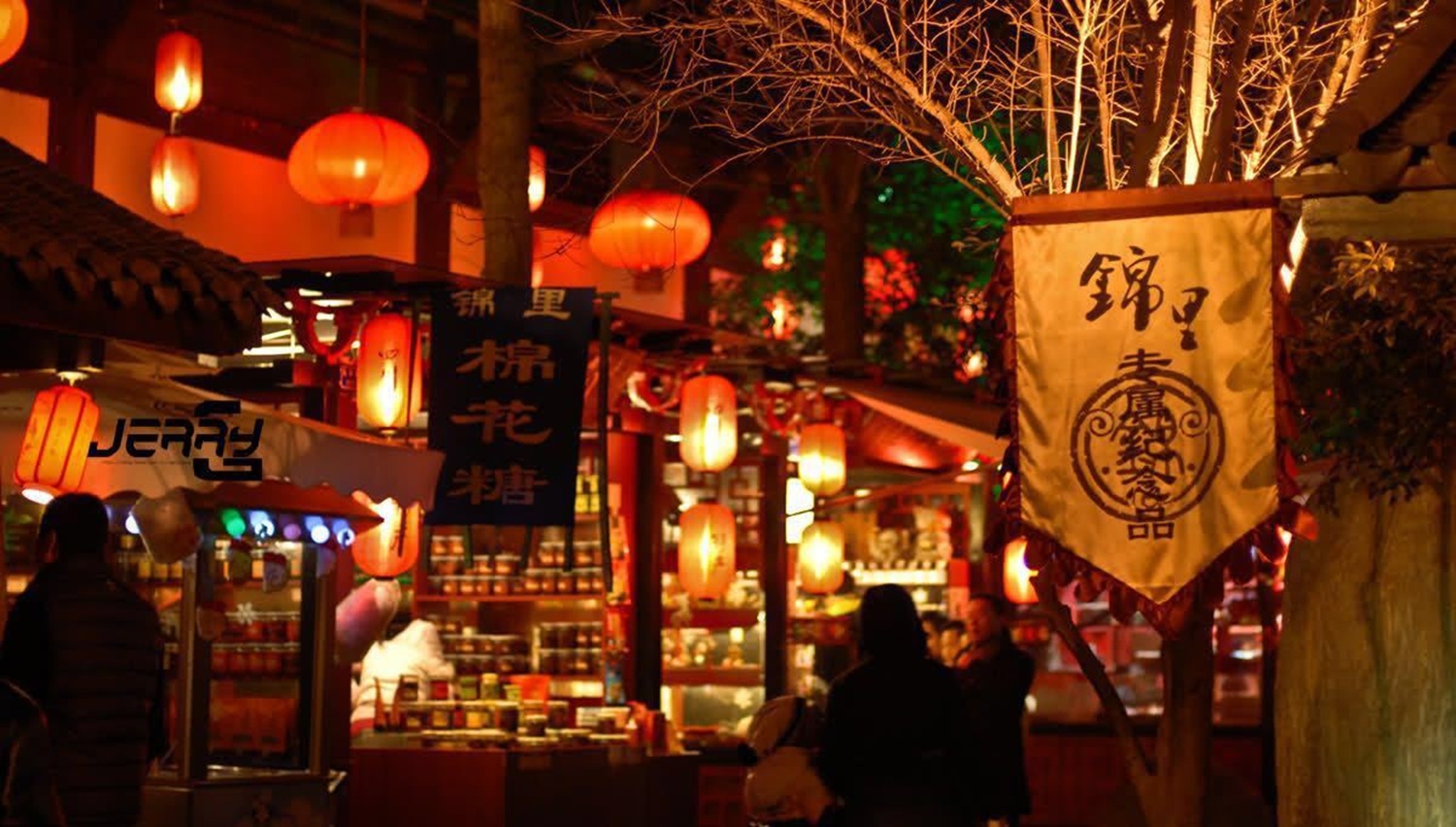
Sichuan cuisine is known for its spicy flavor and is one of the most famous cuisine of China. The famous dishes like Kung Pao Chicken, Yu-Shiang Shredded Pork, Twice Cooked Pork Slices, Couple’s Sliced Beef in Chili Sauce and Sliced Beef in Hot Chili Oil are all cooked in Sichuan cuisine. Otherwise, Noodles in Chili Sauce, Hot and Sour Rice Noodle are delicious food in Sichuan as well. A proof from some historians shows us that people in Sichuan had a dietary culture of “savory taste comes from spicy” from the ancient times. People in Sichuan loves banquet, they always treat others a banquet no matter what happened. Therefore, a lot of Sichuan cuisine Chief has be trained and hand down from generation to generation. Taste every kind of dishes of local cuisine is a experience should not be missed while traveling in Sichuan.
· The history of Sichuan cuisine
The Sichuan’s terrain is complex and forests are dense, it is easy to defend and difficult to against in the cold weapons era. Since the Qin Dynasty unified the Ba and Shu, in order for be able to rule this territory better, successive reigns and dynasties will migrate a large number of residents to Sichuan. Therefore, after being influenced by various foreign culture, the Sichuan cuisine that we love today has formed.
· Flavor and Hotpot
In addition to delicious dishes, another representative food culture in Sichuan is the spicy hotpot. Because of the terrain is basins, the summer in Sichuan is hot and dry and the winter is very cold and damp. Eating spicy hotpot in the winter of Sichuan can not only protect the cold weather, but also prevent arthritis and rheumatism. This is one of the reason why the foods in Sichuan are always spicy.

· Tea culture
Sichuan is one of the earliest place in China to plant, drink and sale tea. The history of tea culture in Sichuan has already more than 2000 years. Planting and exporting tea leaves has always been an important economic industry in Sichuan. The longest trading route in the world—Ancient Tea-horse Road is the way that traders in Sichuan trade tea leaves to Tibet and South Asia. Therefore, it is said that the number of teahouses in the world is in China; The number of teahouses in China is Sichuan; Chengdu Tea House is known as “The teahouse is the best in the world”.
The people in Sichuan love tea and teahouse so much. The locals are always chatting, watching the Sichuan opera, reading or snoozing in teahouse, and there are some shoe shiner and fortune-teller comes in and out frequently. As a visitor to experience the local’s teahouse in Sichuan is a good choice.
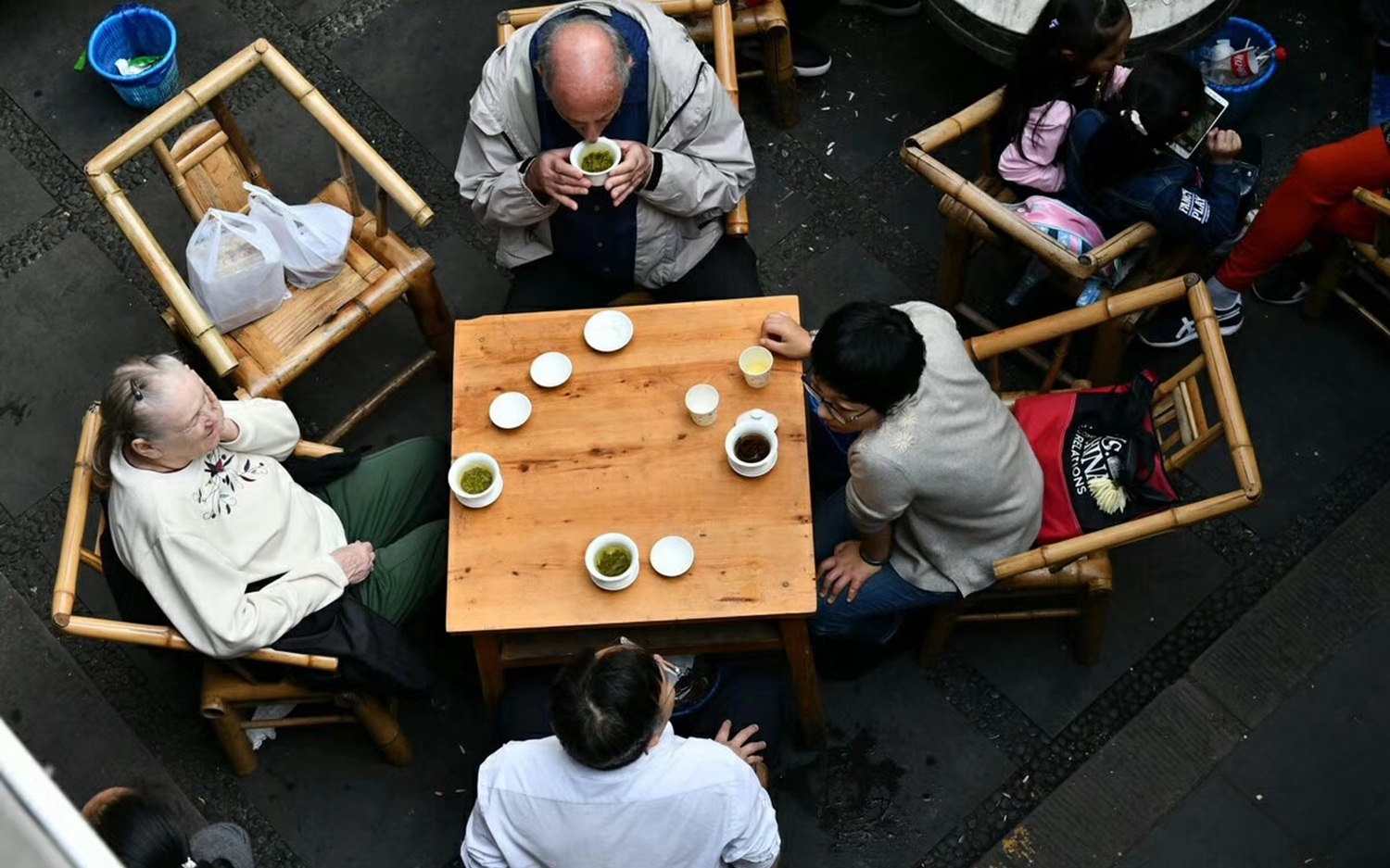
Sichuan is mainly produced by green tea. In addition to this, there is Zen tea culture. The combination of tea and Zen, deep meditation on tea, is a state of humanism, of art. These cultural traits make Zen tea have a socialized educational function different from philosophy and ethics. It pays attention to the cultural connotation of "gratefulness, tolerance, sharing and attachment". And then, in Chengdu, Daci Temple is very famous. The most famous of the Daci Temple is Zen Tea. It is said that the Daci Temple Zen Tea has a history of more than 1,200 years. If you like drinking tea, you can experience the tranquility and self-cultivation of drinking tea.
· Wine Culture
Archaeologists discovered many wine containers in the Sanxingdui site, its can proving that wine culture of Sichuan has at least 3000 years history. The famous Chinese liquors Luzhou Laojiao, Jian’Nanchun and Wuliangye are all made and originate in Sichuan. Sichuan's wine accounts for half of China's famous wines. Therefore, Sichuan has be known as “The homeland of famous liquors”.
Accommodation
Sichuan is a very popular travel province in China, has a lot of tourist attractions. It is easy to find a accommodation in the middle and eastern of Sichuan. Hikers can choose to live in a local’s house, if there is no hotel or B&B. The most of Tibetans lives in the Western of Sichuan are enthusiastic and hospitable, and the price of living in their house will be cheap.
To keep safe from the noxious bugs or the beast, please do not sleep outside or camping in a no mans land. (unless you have paid a professional guide from a professional travel agency like us to look after you)
Folk Custom
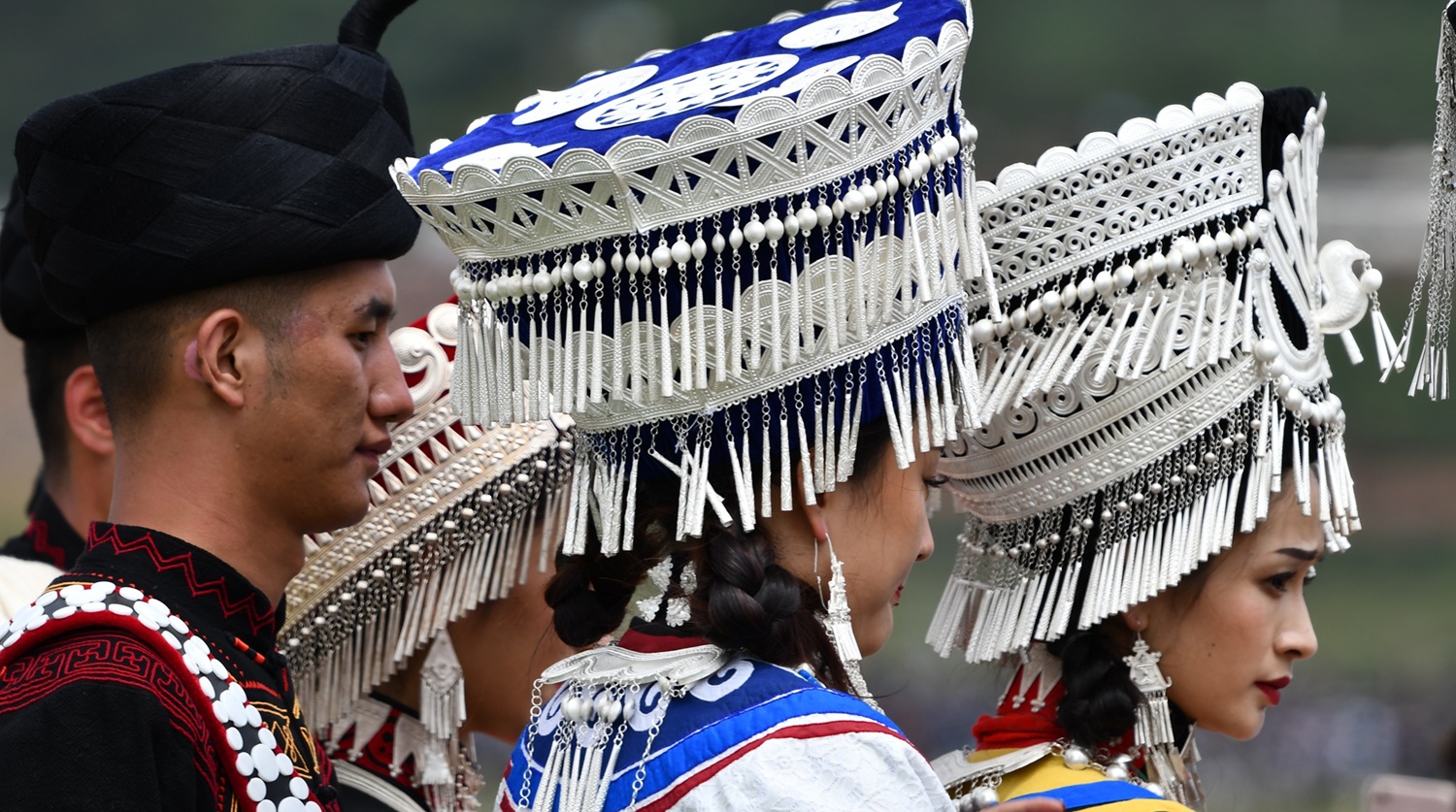
Sichuan is a multi-ethnic area and one of the most ethnically diverse provinces in China. Since the record of history, there were dozens of nations lived, multiplied and integrated with others in Sichuan. In addition to Han people, there are 14 ethnic minorities still live here. Sichuan has a population of 4.6 million ethnic minorities, of which the ethnic characteristics of the Yi, Tibetan and Qiang nationalities are the most representative. Each nation has its own unique living habits and beliefs, thus forming a unique and rich regional ethnic customs in Sichuan.
· Face Changing of Sichuan Opera
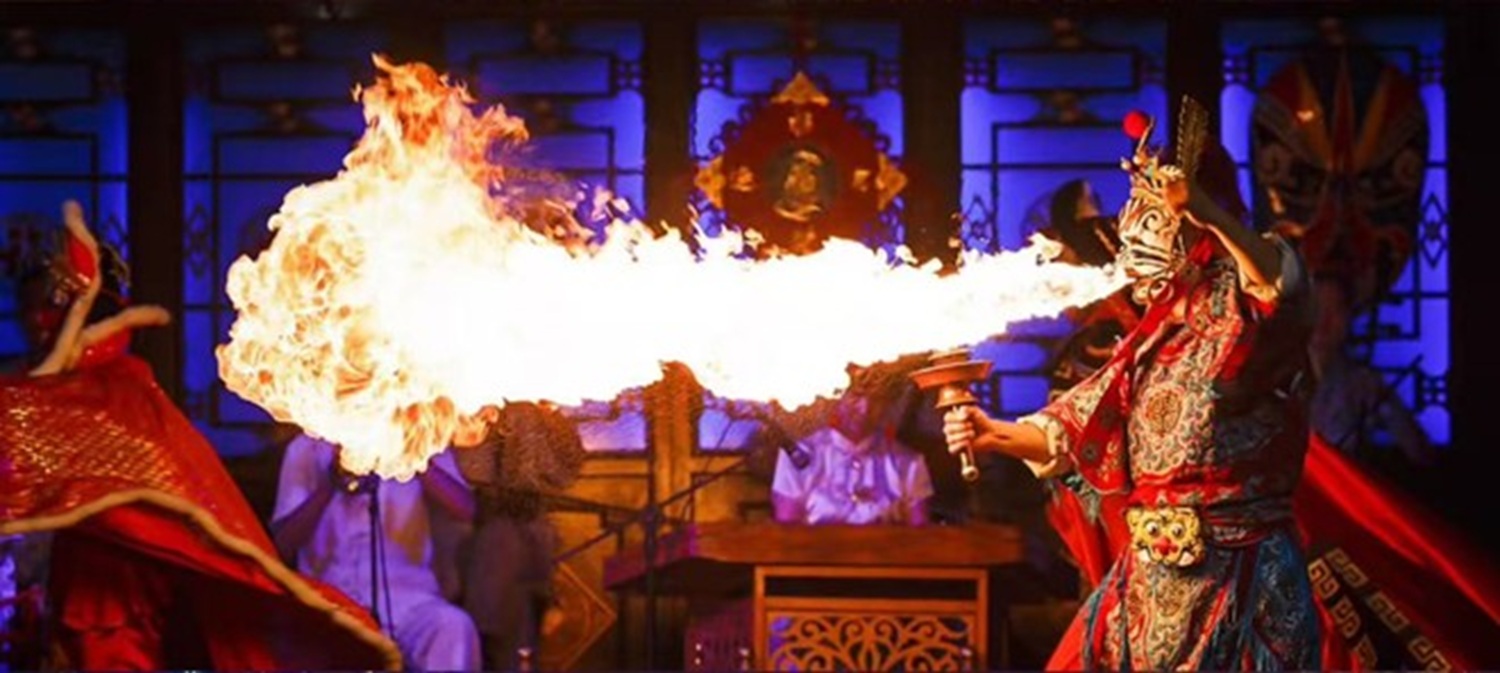
There is a representative intangible culture heritage in Sichuan—Sichuan opera. Sichuan opera is one of the most traditional opera in the southwestern of China, and the most famous and unique technique of Sichuan opera are the Face changing. Changing face is a special technique used to create characters in the art of Sichuan opera. The performers usually can change more the one make-up on their face in a flash. Find a opera, order a pot of tea, and enjoy a traditional Sichuan opera, it will be a special experience.
· Chicken Blood Wine
Drinking chicken blood wine is a custom of ethnic Yi. It is usually slaughters a rooster and drops the blood into the wine, then people will drink the wine after implying promises or swear. The locals believe that gods will give the punishment if the man can not fulfill the promises after drinking the chicken blood wine.
· Present a Hada
Present a Hada is a custom of Tibetans. “Hada” is a Tibetans word, means a white lucky shawl. Tibetans will be offering Hada to each other respectfully at every important moments, such as worshiping a buddha, wedding, holidays, meeting or leaving some friends. According to the difference of the object and the occasion, the way of offering Hada is different. When offering Hada to buddhas, the givers should stoop over 90° and holding Hada over their head. The way to offering Hada to elders is roughly the same with offering to buddhas, the difference is givers do not need to stoop that much. When offering Hada to the people of the same generation, givers will just put Hada into their hands. When offering to the younger generation, givers will put Hada onto their shoulders. This is the most famous and popular Tibetan’s custom.
· Miao’s Buffalo Fighting
Because of the long-tern life style of cultivating, the Miao people have established a special relationship with buffalo. The Miao’s buffalo fighting is different from the Spanish bullfighting, but more like a fighting match between buffalos. Every people pull out their own buffalo and let them compete in the ring.
Before the fight begin, two buffalos will be pulled to the center of the ring until there is 10cm between the buffalos. Then the buffalos will get angry and fight together. Sometimes the fight will end instantly, but sometimes it will take a long time to fight. At this time, the audience will be cheering one after another, the atmosphere is extraordinary.
As a visitor, watching a Miao’s buffalo fighting match is a kind of pleasant enjoyment. It is very difficult to see this kind of ethnically-styled activity in usually time, please do not miss it.
· The Firebrand Festival of the Yi ethnic group
There are many sayings about the origin of the Torch Festival. But its origin is the most direct relationship with the natural worship of fire. Its purpose is to use fire to deworm and protect crops. The original form of the Torch Festival, in short, is the ancient fire worship. Fire is a symbol of the Yi people's pursuit of light.
Hiking Routes
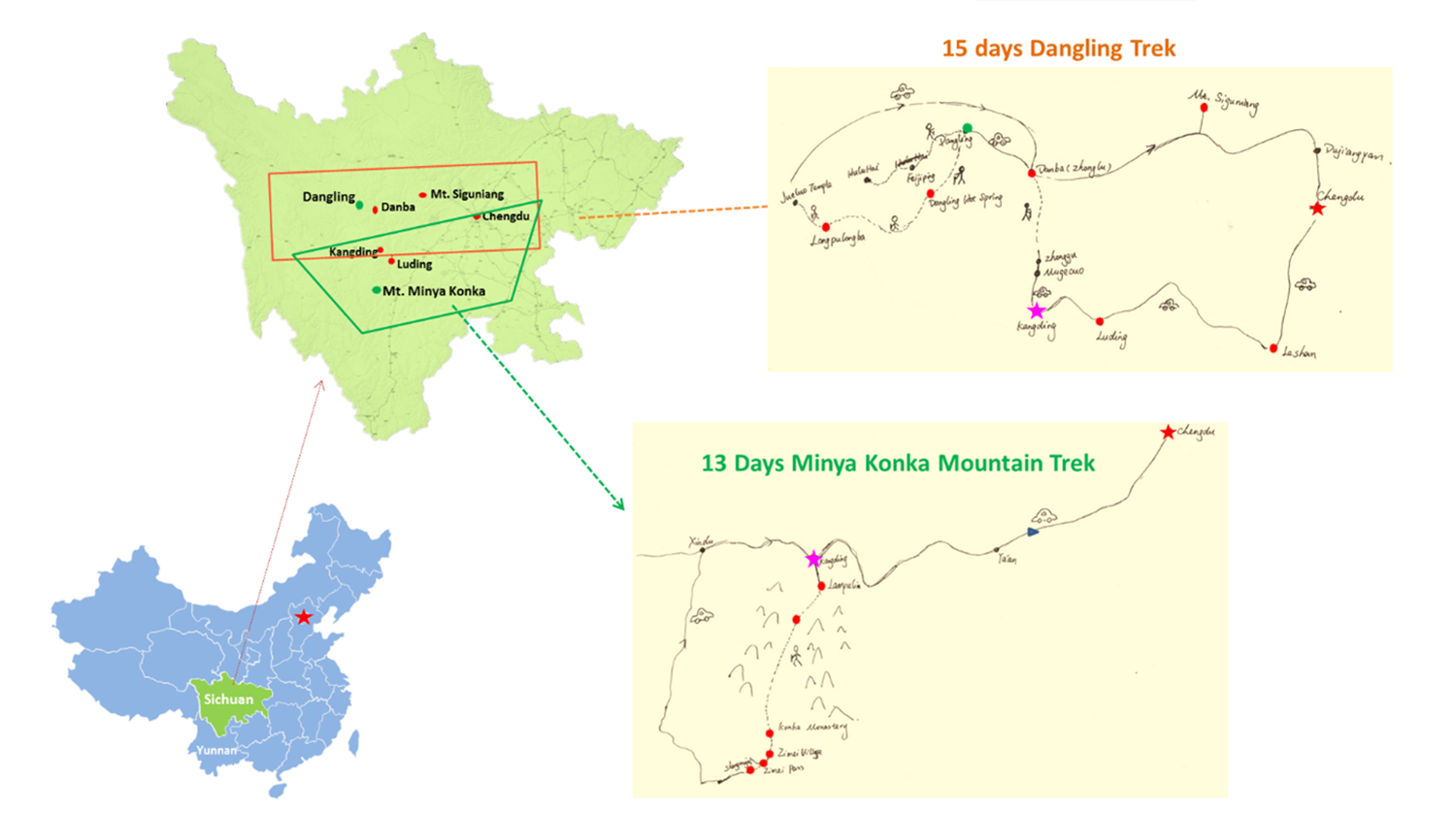
Sichuan has a special topography, with a high elevation in the west and a dense forest. The urbanization of the eastern region is more pronounced. The western region is at a higher altitude and close to Tibet, so the Buddhist culture is rich. The hiking tour in the eastern region is around city, suitable for light hikers and food enthusiast. The central region has dense forests and panda habitats, suitable for hikers who love animals and plants. There are high elevation in the central region to the western of Sichuan, Minya Konka and Four Girls Mountain are sit in here, and Tibetan Buddhist atmosphere, suitable for hikers who want to know the Buddhism or mountain climbing enthusiast. A variety of natural landscapes spread around Sichuan, and hiking in here will be an intimate experience with nature.
Recommended Routes