Travel FAQ
Yunnan Guide Book
Overview
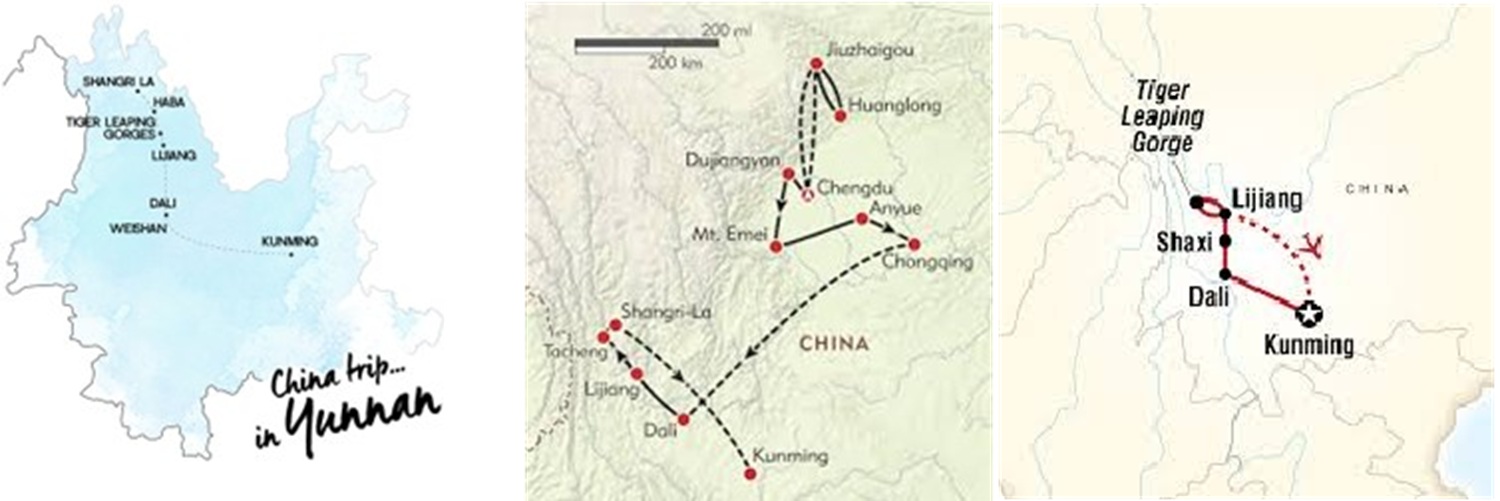
Yunnan province is in the south-west area of China. It crossed by tropic of cancer belongs to low latitude inland area. Guizhou Province and Guangxi Province is on the east of Yunnan province; Sichuan Province is next to the north of Yunnan province; Tibet Autonomous Region is on the northwest of Yunnan province. Actually, Yunnan province is just like a gateway which can go through it to Southeast Asia and South Asia. Myanmar lies to the west of Yunnan province; Laos and Vietnam lie to the south of Yunnan province. There is a vast land area and there are abundant of humanities and cultures which exist for over thousands of years. 25 of minorities still reside in this mysterious and beautiful land. They live their life with the most traditional ways, including the Tibetan people in Shangri-La.
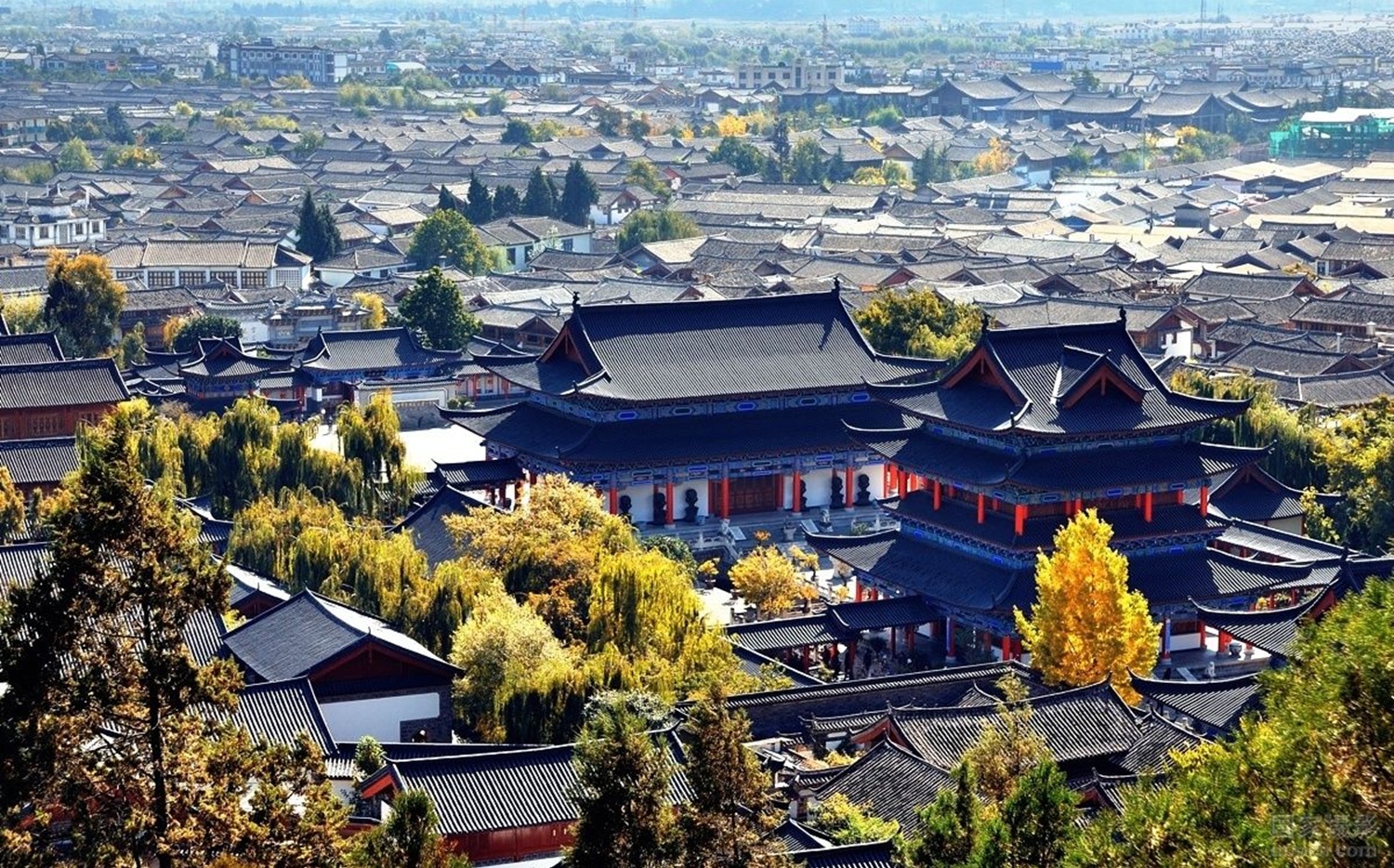
You can take a stroll in the beautiful old city of Lijiang and experience the changes which brought as times goes on; You can watch the peacock dancing in Xishuangbanna and experience the magic of the nature. You can travel through the historic sites of Dali and admire the exquisite handicrafts which made by the craftsmen; You can see the peculiar geographical view and enjoy the magnificent scenery of the Lijiang River; You can stand on the snow-capped mountains which is a sacred symbol for people in Shangri-la and enjoy this paradise. The ancient old town, the snow-capped mountains, and the wilderness in Yunnan province are worth coming to explore. Yunnan province is waiting for you to visit, everything here will make you linger on theses beautiful attractions.
Climate and Temperature
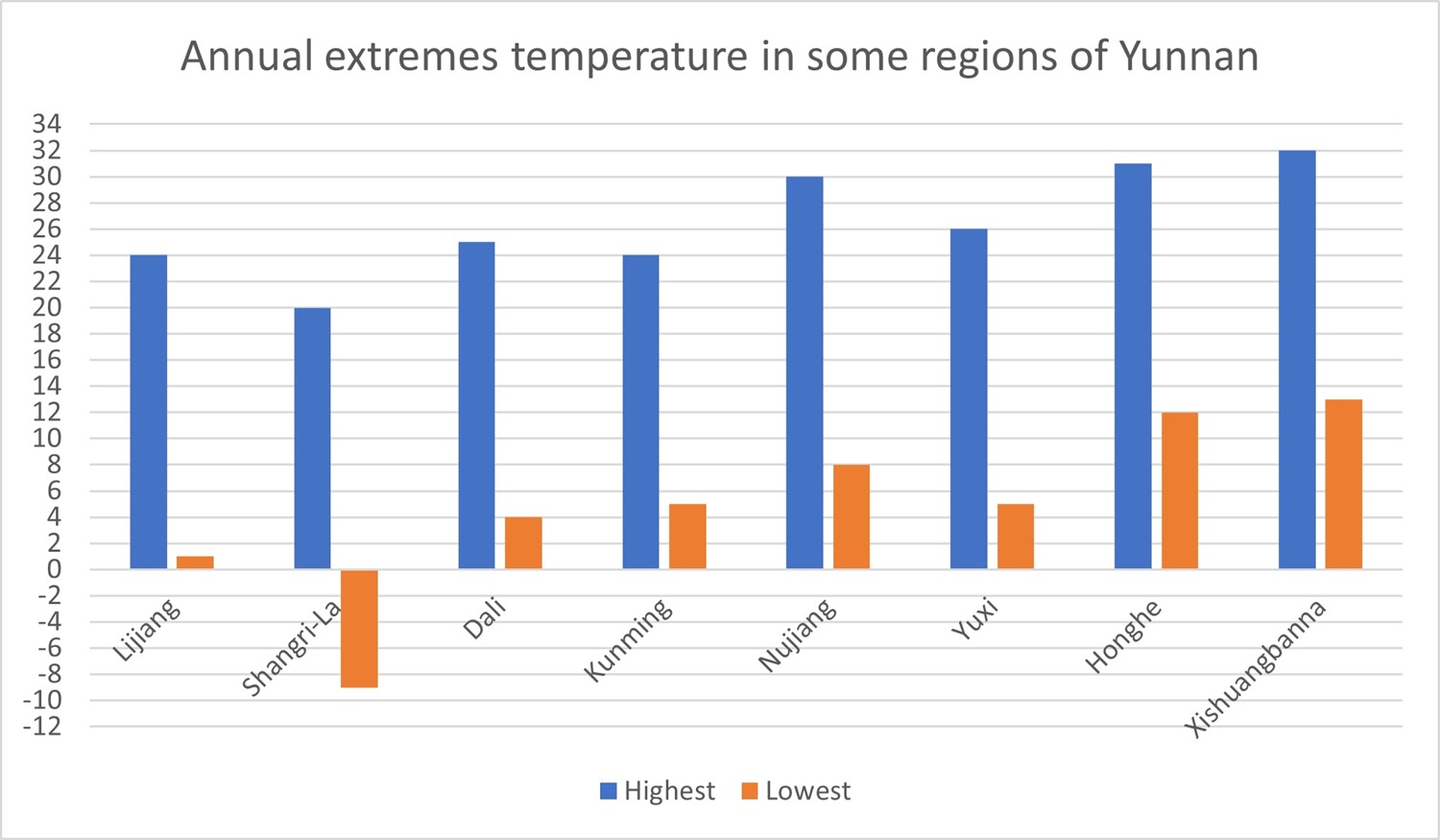
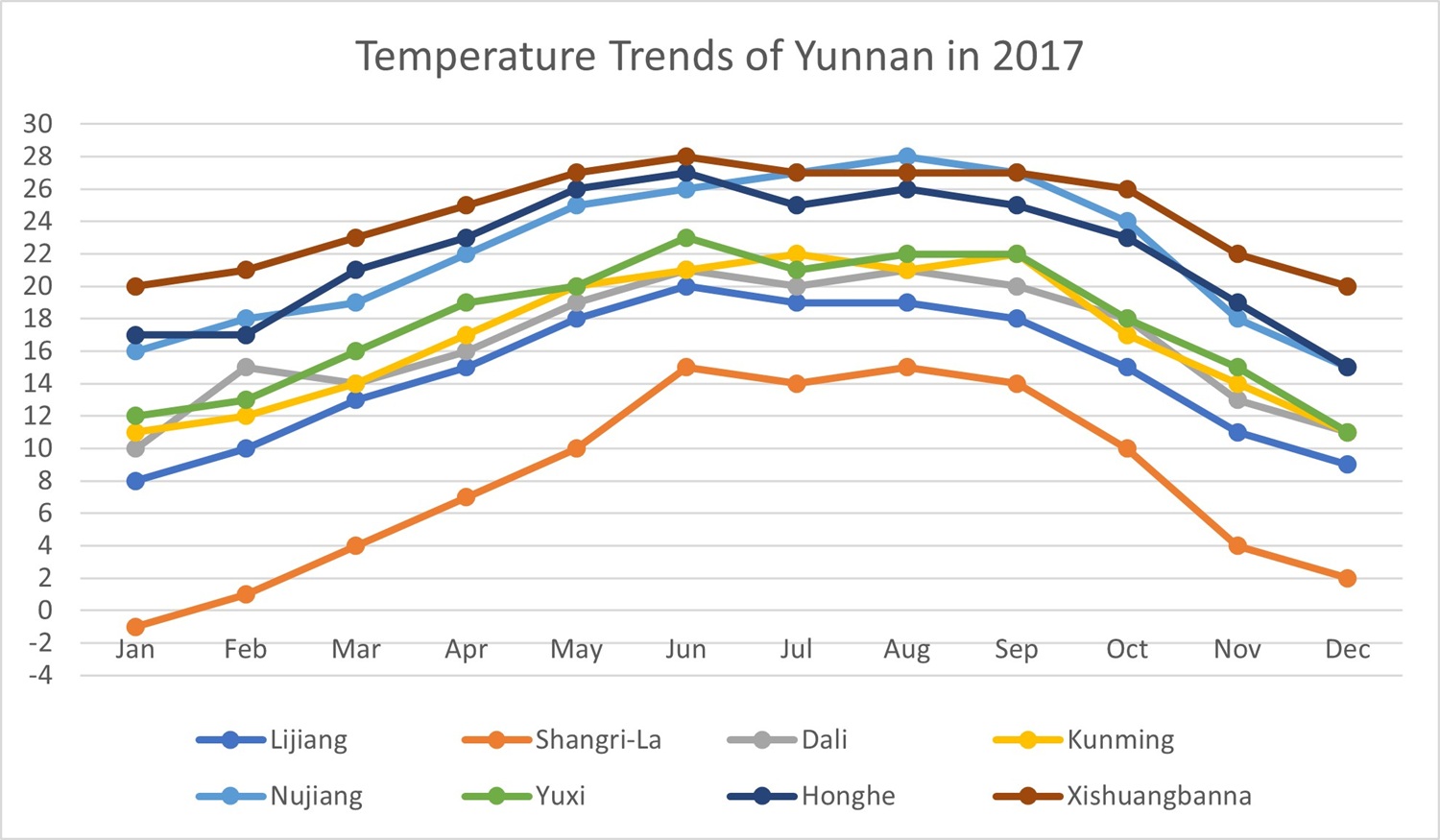
Yunnan is located in the Yunnan-Guizhou Plateau, with mountains stretching, and flat dams and lakes inlaid between them, this topography forming a beautiful scenery. The high-altitude terrain makes Yunnan form a three-dimensional climate type of tropical, subtropical, temperate and cold zones. Therefore, because of the special location, Yunnan is located in the low latitude plateau, which make its terrains are complex. Due to the plateau monsoon climate, most parts of Yunnan are warm in winter and cool in summer, spring in all seasons. The altitude difference between southern and northern is 6663.6 meters, so there is a large temperature difference in different areas at different altitudes.
Food and Beverage Culture
Experiencing local food and beverage has always been an important part of travel. The most famous in Yunnan is Dian Cuisine and tea culture, bridge noodles and Pu’er tea is an indispensable part of the lives of local people. Yunnan cuisine combines the unique cuisines of the local ethnic minorities. While exploring the mysterious Yunnan, please do not forget to experience the local food culture and the famous tea culture.Yunnan is known as the “Kingdom of Fungi”, the “Plant Kingdom” and the “Animal Kingdom”. In Yunnan, where the seasons are like spring, flowers are not only ornamental plants, but also dishes on the table. The rich resources of the development of amaranth provide a necessary and special material basis, bringing a unique taste to the leek.
· Dian cuisine
The current Yunnan region belonged to the land of "Dian Kingdom", during the Warring States period. Therefore, “Dian” is another name of Yunnan from then on. Dian cuisine, also known as "Yunnan cuisine," is mainly composed of food features from three regions. The northeastern region of Yunnan is bordered by Sichuan and has a convenient transportation. The cooking methods and food flavors in that area are similar to Sichuan cuisine. Western and Southwestern of Yunnan are adjacent to Tibet, Myanmar and Laos, so the cooking style is influenced by many ethnic minorities. Dian cuisine originate in the southern region of Yunnan. For the reason of moderate climate, rainfall and abundant natural resources, the locals use natural animals and plants as the raw material of cooking. The characteristic of dishes in the Southern of Yunnan is natural flavor.
· Tea
1.Tea-leaves
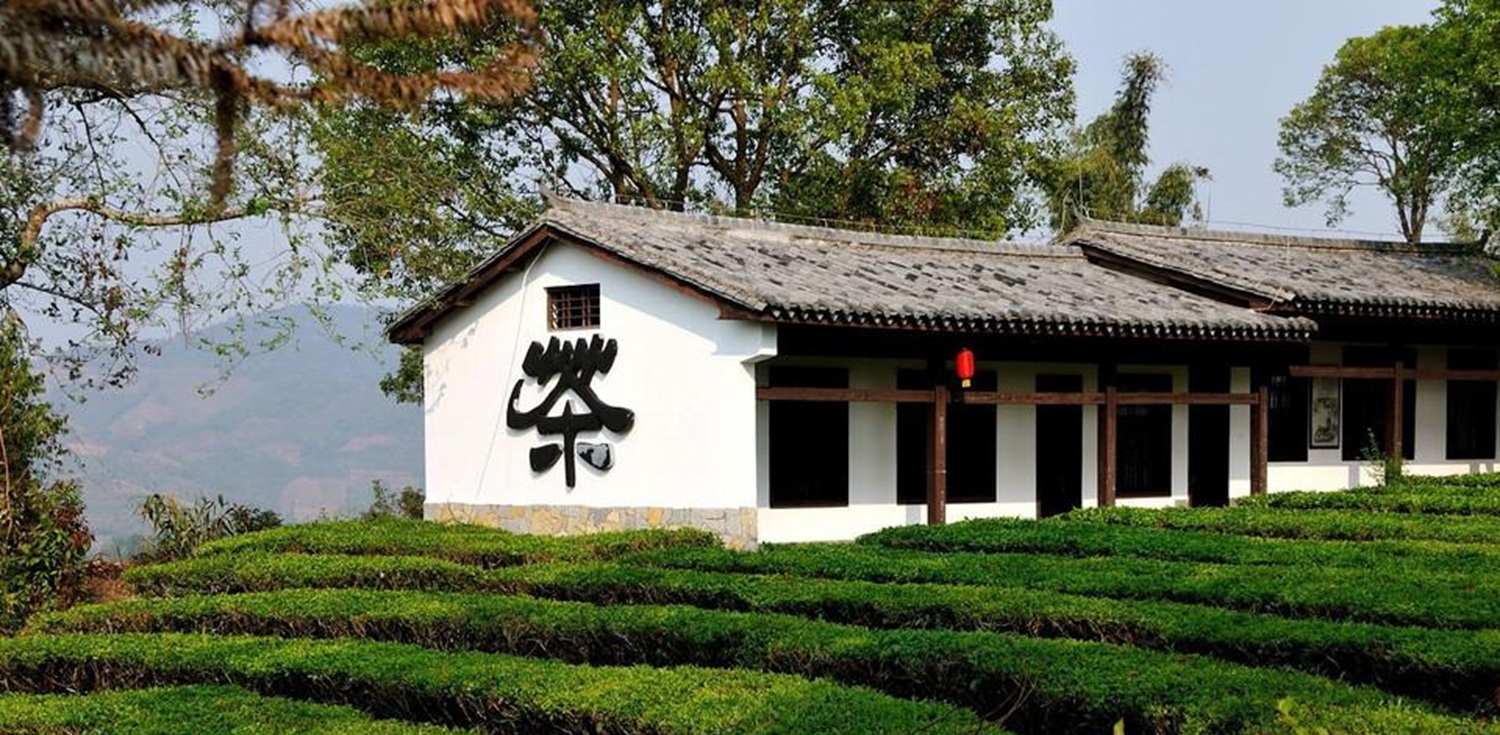
Yunnan is the homeland of tea. Tea-leaves has already been planted for 1700 years, and it’s the most famous special local product in Yunnan. Because of the climate, soil and sunlight are all suitable, the tea-leaves growled in Yunnan has advantage that high quality, high yield, quick-sprouting, long growth period. The Tea-leaves output in Yunnan contains a lot of polyphenols and mellow taste. Among the all varieties of tea-leaves in Yunnan, Pu’er has the most distinctive. According to the historical records that the Pu’er tea was planted in Shang and Zhou Dynasties, produced in the Western Han Dynasty, spread in the Three Kingdoms, merchandise in the Tang Dynasty, well-known in the Ming Dynasty, flourished in the Qing Dynasty, waned in the middle of last century, and renowned now. There is a tea tree still growing in the Menghai County of Yunnan which was cultivated 800years ago. It be known as “the king of tea trees”.
2.Tea ceremony
1) Three cups of tea of Bai Nationality
The “three cups of tea” is a special tea ceremony of Bai Nationality. The drinking method is to drink three different cups of tea in order. The first drink is called “bitter tea”: Through excessive baking, make the taste of tea-leaves are very bitter. The second drink is called “sweet tea”: Add the appropriate amount of brown sugar and cinnamon in tea, make the taste sweet and delicious. The third drink is called “aftertaste tea”: put honey, popcorn, pepper, walnuts and other items into the tea, make the guests can taste mixed flavors, lead the guests to endless aftertaste. In the initial stage, the “three cups of tea” is just a set of rituals for young people ask someone to be their own teacher, and its indicates the philosophy of life that it should be work hard before pleasure as the order to do anything. Nowadays, the “three cups of tea” has already became to a custom when Bai people greeting their guests.
2) Nine steps of drinking tea in Kunming
The “Nine steps of drinking tea” are also known as “greeting tea”, is a order of drinking greeting guests. The raw material for brewing “Nine steps of drinking tea in Kunming” is usually Pu’er. This is regarded as a very elegant way of drinking tea by the locals.
I. Tea appreciation: Put the Pu’er tea-leaves inside a small plate, let the guests view, smell and discuss the trait of Pu’er.
II. Clearing tea utensil: Rinse with boiling water and heat the tea utensil
III. Take tea; Take and put the tea leaves into the teapot.
IV. Make tea: Pour boiling water into the teapot quickly until 70% space left.
V. Soak tea: Close the lid and shake the teapot gently, then let stand for 5 minutes.
VI. Diluting tea: Pour boiling water into the teapot again, until full.
VII. Pour tea: Pour tea to the cups of guests.
VIII. Serve tea: The tea will be served by the owner in order of age from oldest to youngest.
IX. Sample tea: First smell the aroma of tea and slowly taste.
Accommodation
The tourism of Yunnan is developed, the annual average number of tourists in Lijiang and Dali has reached tens of millions of people. Therefore, many good accommodations can be found near all the scenic area. Accommodation prices are usually reasonable, but you must pay attention to the room service of hot water. Because of sunlight is the endless energy in Yunnan, many businesses use solar energy as a source of hot water supply, but you may not have enough hot water to use if it encounters cloudy or raining. You’d better to get ready for a cold shower.
In otherwise, hikers are always going somewhere other travelers would not to go. Those places are uncovered with road or highway, only the locals house can be the accommodation. For your personal safety, please do not camping outside, especially the forest, or those dangerous animals would be very pleasure to taste you. If you must camp out in the wild, please be accompanied by locals or get some advice from professional travel agency.
Minority and Culture
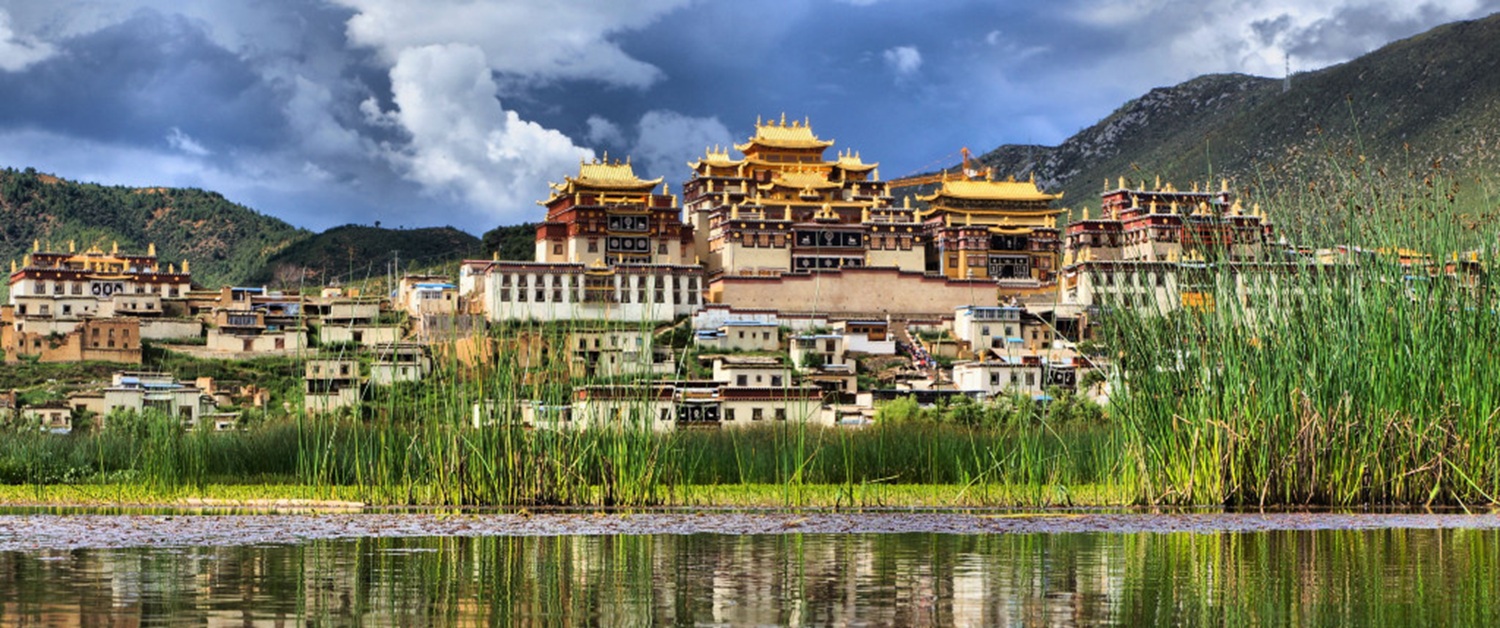
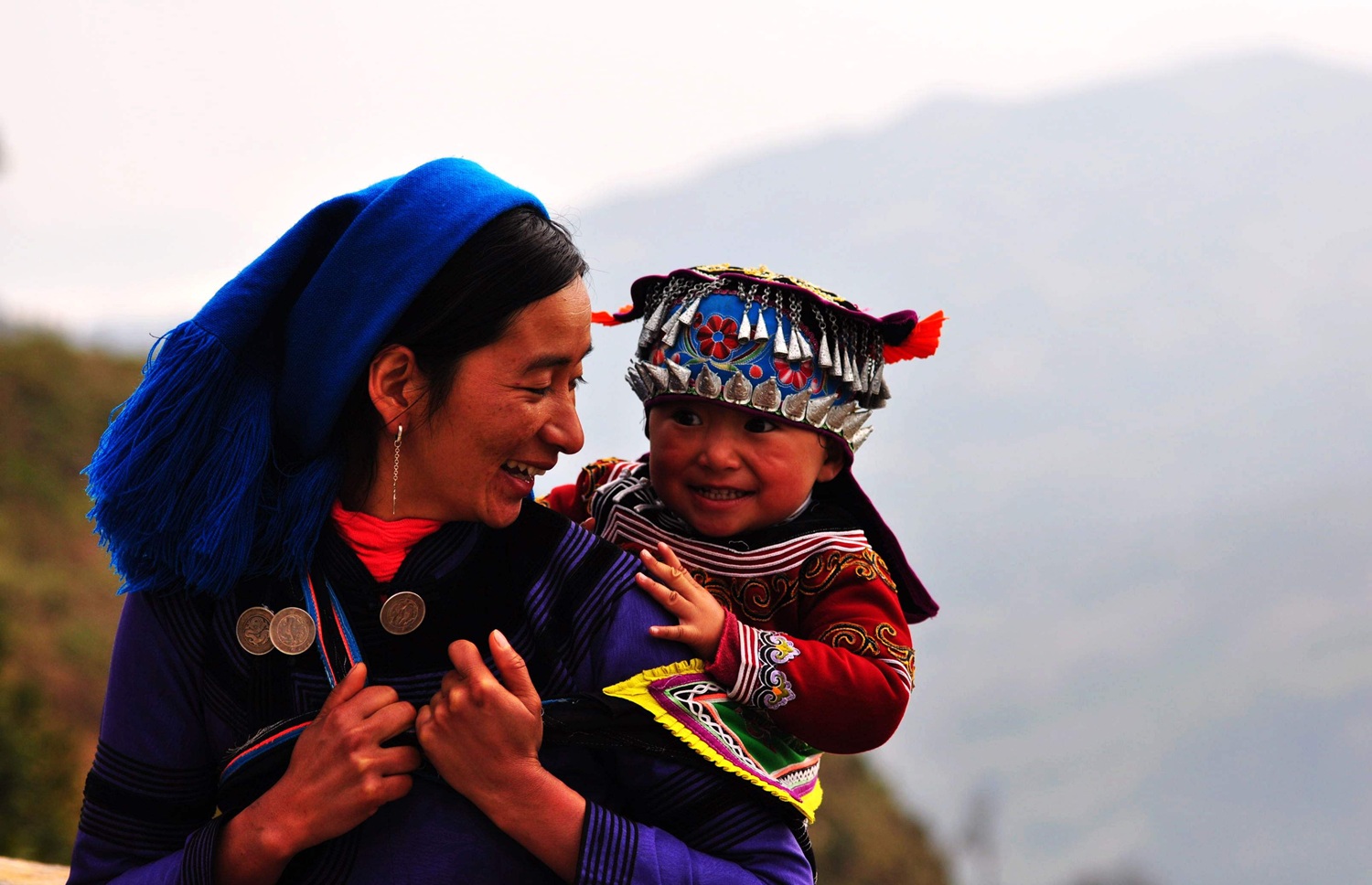
Yunnan has 25 ethnic minority residents, accounting for 45%of the total ethnic minorities in China. Because of the integration of many ethnic minorities, a multi-cultural and colorful Yunnan has formed. The Dai minority in Xishuangbanna, the Bai minority in Dali, the Mosuo minority in Lugu lake region, the Naxi minority in Lijiang and the Tibetans in Shangri-La well-known about their distinctive ethnic cultural features. The ethnic minorities who lives in Yunnan has their own beliefs, traditions and some special ethnic holiday activities, and some of them are loved by tourists. Nowadays, those folk customs have become a symbol of local ethnic culture.Yunnan is the province with the most religious types, the widest distribution and distinctive religious beliefs in China. It is known as the World Religious Museum.
· The Water-Sprinkling Festival
Xishuangbannan is located at the southernmost tip of Yunnan Province in China and the homeland of the Dai minority residents. Xishuangbanna is called “an ideal and magical paradise” by locals. It is famous for its natural landscape of the rainforest and the unique folk customs of the Dai minority. Every year in mid-April is a traditional festival and new year of the Dai ethnic—The water Sprinkling Festival, and the festival usually lasts from 3 to 7 days. During this period, as the way of celebrating and giving to others the blessing, people will sprinkle each other with clear water to remove all the misfortune. This interesting event also attracts many tourists coming in April every year.
· Grasshopper Day
Grasshopper Day is a traditional festival of the Hani nationality. The people of Hani nationality are live in the mountains of Yunnan and growing rice for alive. Rice will heading in mid-June of the Lunar calendar, but at the same, all kinds of pest eggs just has hatched, especially grasshoppers. To ensure a good harvest of rice, the Hani’s people will adopt a division of labor to capture a large number of grasshoppers to avoid the damage to rice. Unfortunately, the grasshopper which get caught will be taken home as Hani people’s dinner. As the most unique local snack, the fried grasshopper is crispy and delicious.
· Horse Racing Festival
The May fifth of the lunar calendar is the Horse Racing Festival for Tibetans in Shangri-La. In all the Tibetan folk festival, horse races are rarely missed, and it has a long history. The Horse Racing Festival is the most popular and boisterous day of the local Tibetans. Regardless of sex and age, every Tibetan will come to the event and celebrate, including the monks. During the day, people will have a lot of activities, such as singing, dancing and horse racing. The scene is very lively.
· Tea Horse Road
The ancient tea-horse road originated from the "tea-horse mutual market" in the Tang and Song Dynasties. Because in the alpine region, the altitude is more than three or four kilometers, cockroaches, milk, ghee, beef and mutton are the staple food of Tibetans. In high-altitude areas, you need to consume high-calorie fat, but no vegetables. Excessive fat is not easy to decompose in the human body, and tea can not only break down fat but also prevent dryness. Therefore, Tibetans have created a plateau habit of drinking butter tea in the long-term life. However, Tibetan areas do not produce tea. The Tibetan areas and the Sichuan and Yunnan borders produce good horses. As a result, the complementary tea and horse trade---"tea-horse trade" came into being.
In Yunnan, you will be happy to see the folk international trade channel with the caravan as the main means of transportation - the Tea Horse Road. Here you can enjoy the beautiful scenery on the steep mountain road and overlook the Jade Dragon Snow Mountain. You can also feel the mottled hoof and the sound of horseshoes. Walking on this empty valley and ancient passages will have a different mood.
Hiking Routes
The North terrain of Yunnan Province is higher than the South. The northern region has brought about changeable landforms, beautiful natural scenery and a variety of culture from minorities and different regional, attracting hikers from all over the world. The highlight of hiking tours in the Central Region of Yunnan is the historical building in city. There are many mild hiking tours in the South and East region of Yunnan, suitable for the enthusiast of culture and mild hiking.